


What Makes a Perfect Afternoon Tea? A Modern Guide to Sweet & Savoury Treats
A truly memorable afternoon tea is not just about pouring a pot of tea and placing a few cakes on a stand. It is about creating a moment. It is a pause in the day, a table set with care, a mix of flavours that feel indulgent yet balanced. Whether you are planning to host friends at home, organise a baby shower, or simply want to understand what makes this British tradition so special, getting the foundations right makes all the difference.
Search interest in traditional British food experiences continues to grow, especially around celebrations and home entertaining.
People are not just asking what to serve, they are asking how to make it feel special. In this guide, we break down exactly what defines a perfect afternoon tea, how to structure it properly, and how to add modern touches without losing its heritage charm.
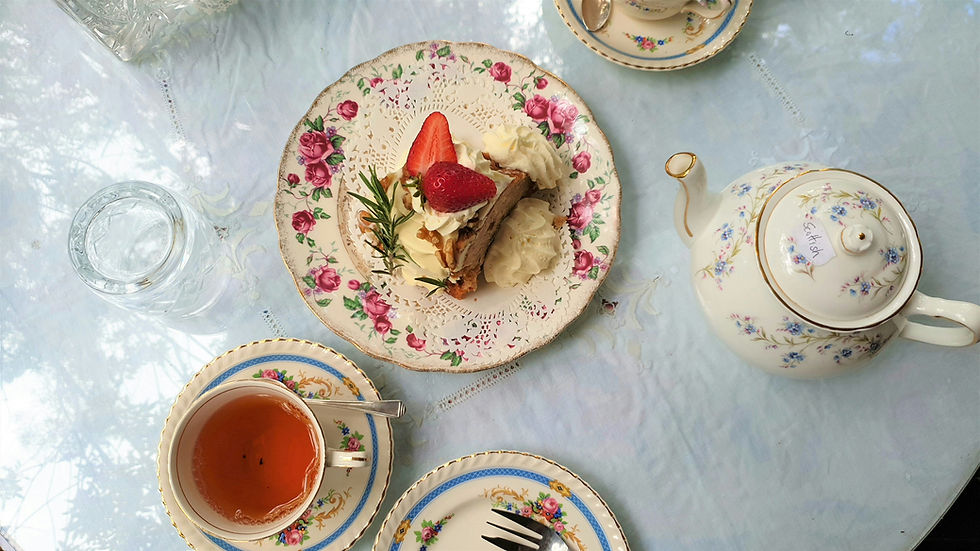
What Is Afternoon Tea and Why Is It Still So Popular?
The tradition of afternoon tea dates back to the 1840s. It is widely believed that Anna, the Duchess of Bedford, began taking tea and light refreshments in the late afternoon to bridge the long gap between lunch and dinner. What started as a personal habit soon became a fashionable social ritual.
Unlike high tea, which was a more substantial evening meal eaten at a high table, afternoon tea evolved into an elegant occasion. It became associated with tiered cake stands, delicate china, and refined company.
Its lasting popularity comes down to one simple reason. It feels like an occasion without being overwhelming. It is structured but relaxed, indulgent but not excessive. In a fast-paced world, it offers a reason to slow down.
What Are the Essential Elements of a Perfect Afternoon Tea?
Balance and progression are key. A well-planned afternoon tea follows a clear structure, moving from savoury to sweet in a way that keeps the palate interested.
Savoury Sandwiches: Why Simplicity Wins
Finger sandwiches form the base layer of the stand. They should be light, neatly cut, and easy to eat in a few bites.
Classic fillings remain popular because they work:
Cucumber with butter and cracked pepper
Smoked salmon with cream cheese
Egg mayonnaise with chives
Coronation chicken
The bread should be soft and fresh, with crusts removed for a clean finish. Avoid overfilling. A perfect sandwich is about proportion, not quantity.
Freshly Baked Scones: The Heart of the Table
If sandwiches are the foundation, scones are the centrepiece. A good scone should have a lightly golden exterior and a tender, fluffy interior. It should break open easily without crumbling into dryness.
Serve with clotted cream and good-quality jam. The cream tea debate about whether jam or cream goes first can be fun, but the real focus should be on freshness. A dry or stale scone will undermine the entire experience.
Miniature Cakes & Pastries: The Finishing Touch
This is where creativity shines. Small desserts allow guests to sample multiple flavours without feeling overwhelmed.
Popular choices include:
Victoria sponge slices
Chocolate brownies
Fruit tarts
Custard-based pastries
Miniature portions keep the experience elegant and manageable.

How Do You Create the Right Flavour Balance?
A common mistake is overloading the sweet section. While desserts are exciting, too much richness can make the spread feel heavy.
Aim for contrast. If you serve a chocolate-based dessert, balance it with a fruit tart. If your sandwiches are creamy, add one with a sharper flavour, such as mustard or fresh herbs.
The goal is progression. Light savoury flavours first, then warm scones, finishing with sweeter treats.
What Makes Modern Afternoon Tea Feel Fresh and Relevant?
Traditions evolve, and today’s hosts are adapting afternoon tea to suit modern tastes and dietary needs.
You might see:
Vegan scones and dairy-free cream alternatives
Gluten-free pastry options
Themed menus for birthdays or seasonal events
Mediterranean or Portuguese-inspired pastries
The structure remains the same, but the flavour profiles can shift. This flexibility keeps the tradition alive rather than outdated.
How Important Is Presentation?
Presentation transforms food into an experience. A simple three-tier stand instantly creates structure and height. If you do not have one, use stacked plates or cake stands to create visual interest.
Keep colours balanced. Mix lighter cakes with darker ones. Add fresh berries or edible flowers for contrast. Use clean, simple crockery so the food stands out.
Small details, such as neatly folded napkins or polished cutlery, contribute more than people realise.
Which Teas Work Best With Afternoon Tea?
Tea pairing is just as important as food selection. Black teas such as English Breakfast and Earl Grey are traditional choices because they complement both savoury and sweet flavours.
Darjeeling offers a lighter floral note, while green or herbal teas provide options for guests who prefer something caffeine-free.
Brew tea properly and serve it fresh. Oversteeping can create bitterness that competes with delicate flavours.
How Much Food Do You Need Per Person?
Portion planning prevents both waste and awkward shortages.
As a guide per guest:
3 to 4 finger sandwiches
1 to 2 scones
2 to 3 mini desserts
This provides variety without excess. If your event is longer than two hours, consider slightly increasing quantities.
Should You Bake Everything Yourself?
Hosting at home can feel rewarding, but it also requires time and preparation. If you are juggling work or family commitments, sourcing high-quality baked goods from a trusted bakery can remove stress while maintaining quality.
Professional bakers bring consistency, precise baking techniques, and presentation expertise. Handmade products often have better texture and flavour because they are prepared in small batches with attention to detail.
What Are the Most Common Hosting Mistakes?
Overcomplicating the menu is a frequent issue. You do not need ten different desserts. Focus on quality over quantity.
Preparing too far in advance can also reduce freshness, especially with sandwiches and scones.
Ignoring dietary needs may unintentionally exclude guests. A simple conversation beforehand prevents discomfort.
Finally, rushing the atmosphere defeats the purpose. Afternoon tea should feel relaxed and unhurried.
Why Afternoon Tea Remains a Timeless Tradition
A perfect afternoon tea is a careful blend of structure, flavour, and atmosphere. It honours British heritage while allowing room for creativity and personal touches. From neatly cut sandwiches and warm scones to beautifully presented miniature cakes, every detail contributes to the overall experience.
Whether you are hosting at home or sourcing handcrafted bakes from a specialist bakery, focus on freshness, balance, and thoughtful presentation. When done well, afternoon tea becomes more than food on a table. It becomes a shared experience, a celebration of tradition, and a simple pleasure that never goes out of style.
Planning your own gathering? Explore our handcrafted cakes and patisserie options to create a beautiful, stress-free experience your guests will remember.
Visit Us: 31 Lavender Hill, London SW11 5QW


Comments